

Auction cars have long been a hidden treasure trove for savvy buyers looking to snag a bargain. Whether you’re a seasoned car enthusiast or a newbie in the world of auto auctions, these events offer a unique opportunity to find vehicles that can be restored to their former glory. In this blog post, we will explore the art of turning auction cars into valuable assets, from the initial purchase to the restoration process, and finally, selling for a profit.
1. The Thrill of the Auction Block
The excitement of bidding on auction cars can be unparalleled. With a variety of vehicles, from classic cars to more recent models, you can find gems at affordable prices. The key is to do thorough research on the vehicles you’re interested in and set a budget before you start bidding.
2. Finding Hidden Gems
Auction cars often come with a bit of mystery attached. You may not have all the details about their history or condition, but with a discerning eye, you can uncover hidden gems. Look for signs of potential, such as minimal damage or well-maintained interiors.
3. Setting a Budget
Before you get caught up in the excitement of the auction, it’s crucial to set a budget and stick to it. Determine how much you’re willing to spend on the car, including the cost of repairs and restoration.
4. Assessing Repair Costs
Once you’ve won the auction, it’s time to assess the vehicle’s repair needs. Consider enlisting a professional mechanic to give you a comprehensive evaluation of what needs to be fixed, replaced, or restored.
5. The Restoration Process
Restoring an auction car can be a labor of love. It involves everything from cosmetic improvements like a fresh coat of paint to more significant engine and mechanical repairs. It’s essential to have a clear plan and timeline for the restoration.
6. DIY vs. Professional Restoration
Decide whether you’ll take on the restoration yourself or hire professionals. DIY projects can be rewarding and cost-effective, but they also require time and skill. Professional restorations ensure quality but come at a higher price.
7. Sourcing Parts and Materials
Finding the right parts and materials for your restoration project is crucial. You can shop for original, aftermarket, or refurbished parts, depending on your budget and the authenticity you seek for your vehicle.
8. Preserving Originality vs. Customization
During the restoration process, you’ll need to decide whether you want to preserve the car’s original features or customize it to your liking. This choice can significantly impact the value and appeal of the finished product.
9. Adding Value with Classic Cars
If you’re working on a classic car, certain modifications and improvements can significantly increase its value. Research the specific details that make a classic car more desirable to collectors.
10. Selling for a Profit
After investing time and resources into restoring your auction car, the ultimate goal is to sell it for a profit. Explore various avenues, from online listings to classic car auctions, to find the best market for your vehicle.
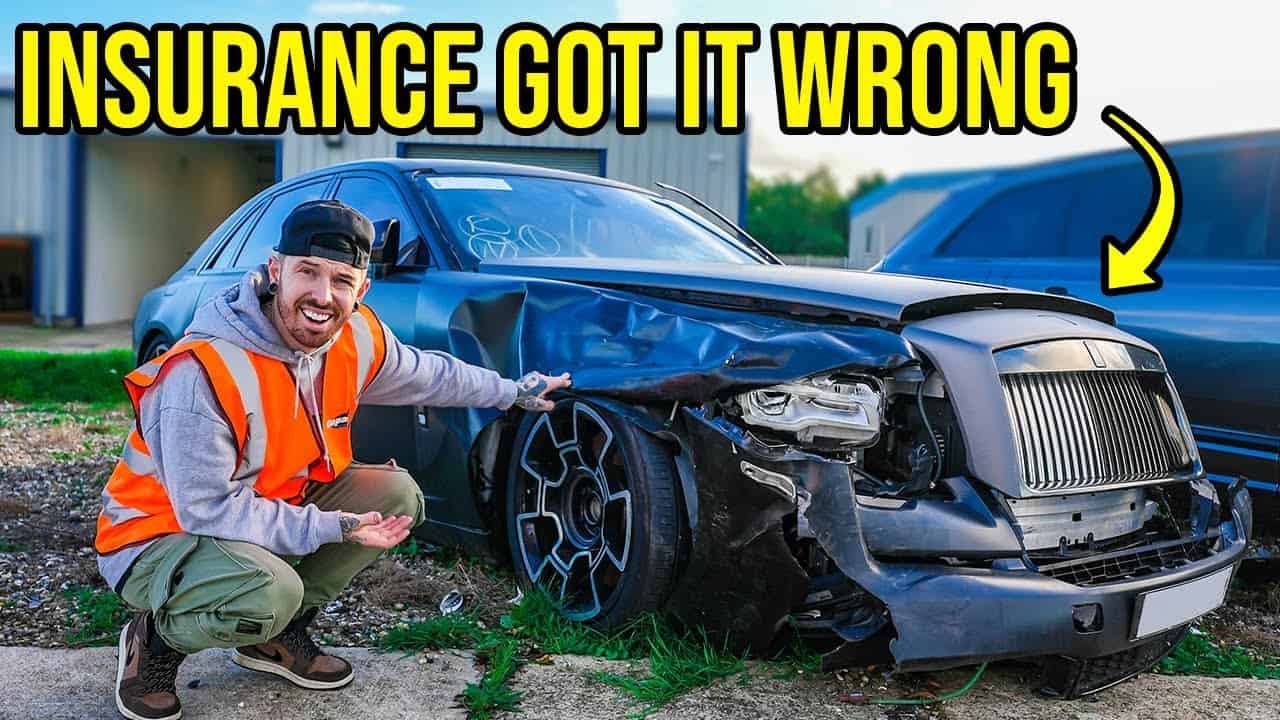
FAQs about Auction Cars and Restoration
1. Are auction cars always in poor condition?
- No, auction cars vary widely in condition. Some may require extensive repairs, while others are in relatively good shape.
2. Can I attend auctions as a beginner with little car knowledge?
- Yes, you can attend auctions as a beginner, but it’s advisable to bring someone with automotive knowledge or do thorough research beforehand.
3. What should I look for when inspecting an auction car?
- Pay attention to the vehicle’s history, mileage, maintenance records, and signs of damage or wear.
4. How do I set a budget for my auction car purchase?
- Consider not only the purchase price but also potential repair costs, and stick to a realistic budget.
5. Is it worth restoring a non-classic auction car?
- It can be worth restoring a non-classic auction car if the purchase price is low and you have a passion for the vehicle.
6. What’s the resale value of a restored classic car?
- The resale value varies based on factors like the make, model, rarity, and the quality of the restoration.
7. Can I finance the purchase of an auction car?
- It’s possible to finance an auction car, but terms and interest rates may vary, so research your options carefully.
8. How do I find the right mechanic for my restoration project?
- Ask for recommendations from fellow car enthusiasts or check online reviews to find a reputable mechanic.
9. What are the best resources for sourcing parts and materials?
- Online marketplaces, salvage yards, and specialty stores are great places to find parts and materials.
10. What paperwork do I need to sell a restored car?
- You typically need a clear title, bill of sale, and any relevant vehicle history or maintenance records.
In Conclusion
Auction cars offer an exciting journey for those willing to take on the challenge of restoring a vehicle to its former glory. From setting a budget to the meticulous restoration process and selling for a profit, it’s a rewarding experience that can turn a bargain buy into a valuable asset. With the right knowledge and passion, you can transform an auction car into a source of pride and financial gain. So, roll up your sleeves, get ready for some hard work, and turn those hidden gems into shining stars on the road.